Blog Post
Post-Operative Care After Extraction: What to Expect & How to Heal
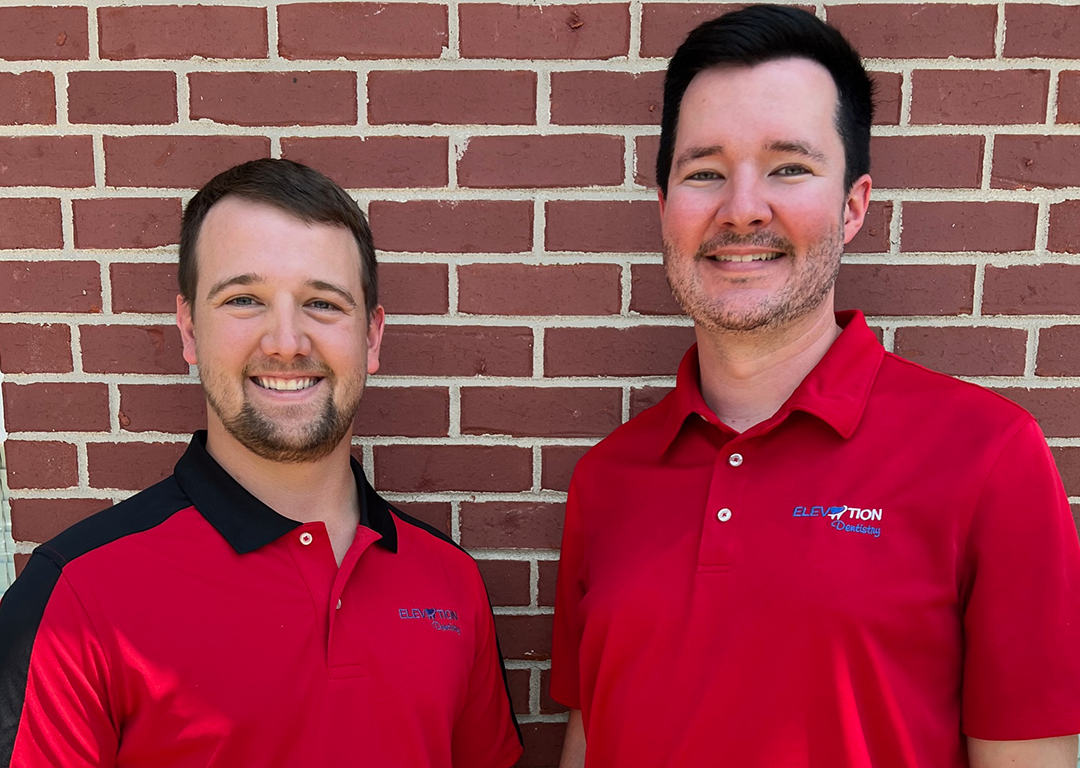
Dr. Zak Taylor & Dr. Stephen Orr
Having a tooth removed can sound intimidating, but knowing what to expect afterward can make your recovery much easier. Whether you had a simple extraction or a more involved procedure, taking care of the area while it heals is important.
Here are some general tips for caring for your mouth after a tooth extraction.
What to Expect After an Extraction
Some bleeding, soreness, swelling, and tenderness can be normal after an extraction. You may also notice some blood mixed with saliva during the first several hours.
Your mouth may remain numb for a few hours following your appointment. Be careful eating or drinking while you are numb so you don’t accidentally bite your cheek, lip, or tongue.
Caring for the Extraction Site
A blood clot forms in the extraction site and plays an important role in the healing process. Protecting that clot is one of the most important things you can do after an extraction.
If you were given gauze, follow the instructions provided by our team for changing and removing it.
During the early healing period, avoid actions that can disturb the extraction site, including forceful spitting or rinsing, drinking through a straw, or touching the area with your fingers or tongue.
If you smoke or vape, follow your dentist’s instructions about how long you should avoid these activities. Smoking can interfere with healing and increase the risk of complications.
Can I Brush My Teeth After an Extraction?
Yes! You still want to keep your mouth clean while the extraction site is healing.
Continue brushing your other teeth as normal, but be extra gentle around the extraction area for the first few days. Avoid scrubbing directly over the extraction site or brushing aggressively near it.
As the area begins to heal, you can gradually return to your normal brushing routine. The goal is to keep your mouth clean without disturbing the healing tissue or blood clot.
If your dentist gives you specific instructions about brushing, rinsing, or cleaning the extraction site, always follow those recommendations.
What Can I Eat After a Tooth Extraction?
Stick with soft, easy-to-chew foods at first. Some good options include:
-
Yogurt
-
Applesauce
-
Mashed potatoes
-
Scrambled eggs
-
Smooth soups that aren’t too hot
-
Pasta
-
Cottage cheese
-
Soft cooked vegetables
Try to chew on the opposite side of your mouth and gradually return to your normal diet as you become more comfortable.
Avoid foods that are extremely hot, crunchy, hard, sticky, or likely to become lodged in the extraction site during the early stages of healing.
What About Swelling?
Some swelling can occur after an extraction, especially following more involved procedures. Swelling may become more noticeable before it begins to improve.
Follow any instructions your dental team gives you for managing swelling and discomfort.
Feeling Something Sharp? It May Be a Small Piece of Bone
During the healing process, you may notice a small hard or sharp area around the extraction site. Sometimes tiny pieces or edges of bone can work their way toward the surface as your gums heal.
This can be a normal part of the healing process and doesn’t necessarily mean something is wrong. You may notice it with your tongue before you can actually see it.
Try not to pick at or pull on the area yourself. In many cases, the small piece will work its way out on its own as the area continues to heal.
If the sharp area is painful, irritating your tongue or cheek, doesn’t seem to be improving, or you’re simply concerned about it, give our office a call. We can take a look and determine whether anything needs to be done.
What Is Dry Socket?
Dry socket can occur when the protective blood clot at the extraction site is lost or does not develop properly. It can cause significant pain and may require treatment from your dentist.
Following your post-operative instructions carefully can help reduce your risk.
When Should I Call the Dentist?
Contact our office if you experience symptoms that concern you, including significant or persistent bleeding, worsening swelling, severe or increasing pain, fever, difficulty breathing or swallowing, or anything else that doesn’t seem right.
And remember—if you’re unsure whether something you’re experiencing is normal, give us a call. We’d much rather answer your question than have you worrying at home!
We’re Here to Help
Every extraction and every patient is different. Your individual post-operative instructions from your dentist should always take priority over general recommendations.
If you’ve recently had an extraction at Elevation Dentistry in Murray, KY and have questions about your recovery, contact our office. Our team is happy to help you through the healing process.
If you are looking for a new dental home please consider joining our family here in Murray, KY.

Dr. Zakari Taylor

Dr. Stephen Orr
Contact Us!

Contact Information
2039 US Hwy 641N
Murray, KY 42071
Get Directions →
(270) 753-1000
Monday: 8:00am-5:00pm
Tuesday: 8:00am-5:00pm
Wednesday: 8:00am-1:00 pm
Thursday: 8:00am-5:00pm
Friday: 8:00am-1:00pm